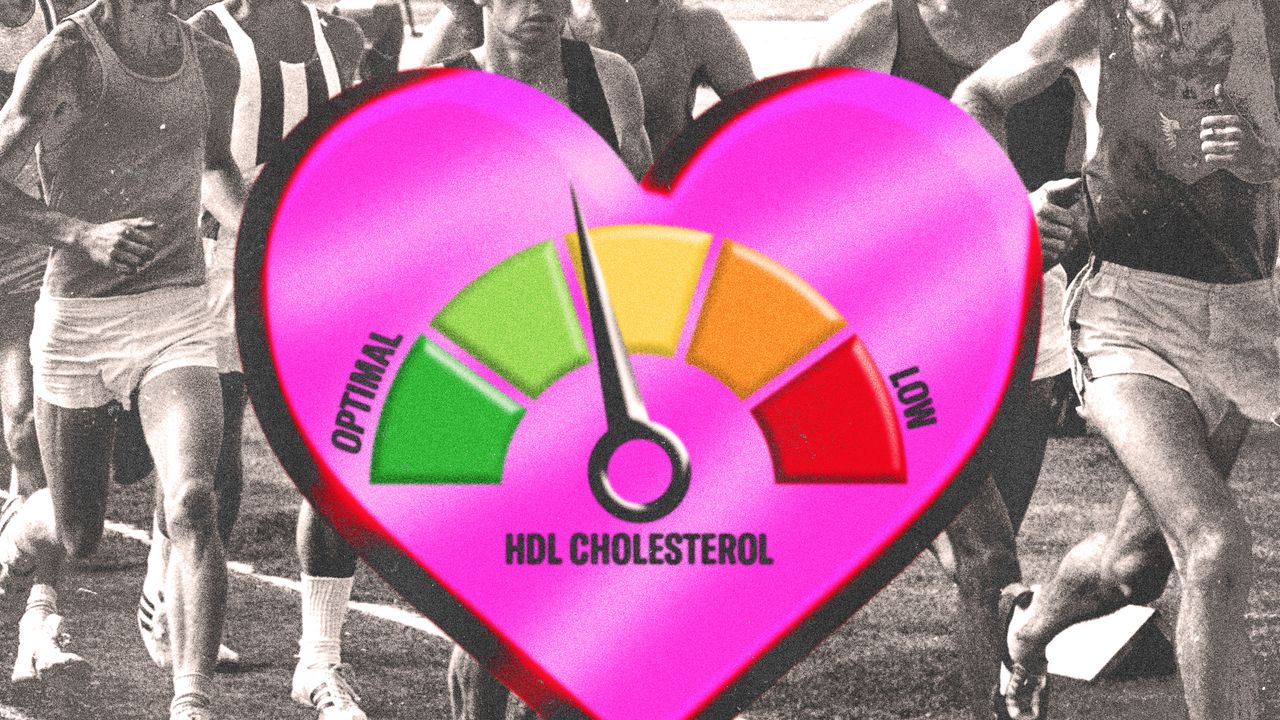
When it comes to cholesterol, most of the attention goes to LDL, the so called bad kind. But HDL, often called good cholesterol, matters too. Here’s what you need to know about HDL and what experts say about raising it.
Most discussions about cholesterol zero in on LDL, or low density lipoprotein. LDL carries cholesterol to cells, and too much of it can cause plaque to build up in the arteries. That’s why it’s labeled the bad cholesterol. But cardiologists say HDL, or high density lipoprotein, deserves attention as well. HDL works in the opposite direction, transporting excess cholesterol from blood vessels and tissue back to the liver, where it gets metabolized and excreted. This process is known as reverse cholesterol transport.
The importance of knowing your HDL numbers goes beyond just having a complete cholesterol panel. A 2023 study in JAMA Cardiology found that more than 40% of US adults with high LDL cholesterol have no idea they have it. That means they are not being treated and are unknowingly at greater risk for heart attacks, strokes, and cardiovascular disease. Yet even people with healthy LDL levels should not assume their HDL is fine, says Sunny Intwala, MD, a cardiologist with Northwell Health.
Many people mistakenly believe that if their LDL is in a good range, their HDL must be too, or that high HDL automatically means low LDL. That’s not the case, according to Rohit Vuppuluri, DO, FACC, an interventional cardiologist with Chicago Heart and Vascular Specialists. You can still have heart disease even with high HDL if your LDL is high, he says. There is no data showing that high HDL negates high LDL.
So what should your HDL level be? Ideally, get your cholesterol checked every five years if you’re in good health, and once a year if you are at increased risk for diabetes, high blood pressure, or heart disease. The cardiologists say an HDL level of 60 mg/dL or higher is considered optimal. There are no added benefits beyond 100 mg/dL, says Corey Bradley, MD, FACC, a preventive cardiologist at Columbia University Irving Medical Center. For men, HDL under 40 mg/dL is considered low.
Low HDL is often a warning sign rather than the problem itself, says Dr. Intwala. It’s like a warning light on your car dashboard. The real job is getting under the hood, where further testing comes in. Insulin resistance is a common condition associated with low HDL, according to a scientific review in Lipids in Health and Disease. Insulin resistance lowers the amount of HDL and alters its quality. Obesity and high blood pressure are also linked to low HDL, and sometimes it simply comes down to genetics.
The danger of letting HDL stay low is that the underlying issue remains untreated. When metabolic disorders are not addressed, the risk of heart attacks, strokes, and cardiovascular disease increases, the doctors explain.
All three cardiologists agree that trying to raise HDL directly is not the best strategy. Unlike LDL, where lowering levels is linked to reduced heart disease and stroke risk, raising HDL has not been shown to produce similar benefits. There aren’t any foods that dramatically raise HDL, says Dr. Intwala. Dr. Vuppuluri adds that there is not even an effective medication that can raise it, in contrast to LDL lowering drugs, which are highly effective.
If low HDL is due to genetics, you may not be able to raise it no matter what you do. In that situation, doctors treat genetically low HDL as an increased risk factor for cardiovascular disease and recommend closer monitoring than someone without that genetic predisposition.
The most practical approach is to focus on the underlying conditions that drive HDL down. That could mean discussing whether a GLP-1 medication is right for you if you are obese, Dr. Intwala says. It also means having diet and lifestyle habits that prevent metabolic disorders like insulin resistance. That includes eating a nutrient rich diet, exercising regularly, avoiding tobacco, and getting consistent sleep.
The cardiologists offer the same advice to anyone with low HDL: focus on the basics of health, treat any underlying conditions, and let HDL take care of itself. If your HDL doesn’t rise, don’t obsess. Some people naturally have low HDL regardless of how healthy they live. It’s a risk factor to be aware of, but not something to torment yourself over.
The bottom line is that HDL matters for your heart, but the best way to raise it is by treating the root causes with healthy habits and medical care. Don’t stress over the number itself.