An American missionary kidnapped in Niger last October has been released after more than nine months in captivity, following discreet security cooperation between Washington and the Russian-aligned military governments of the Sahel.
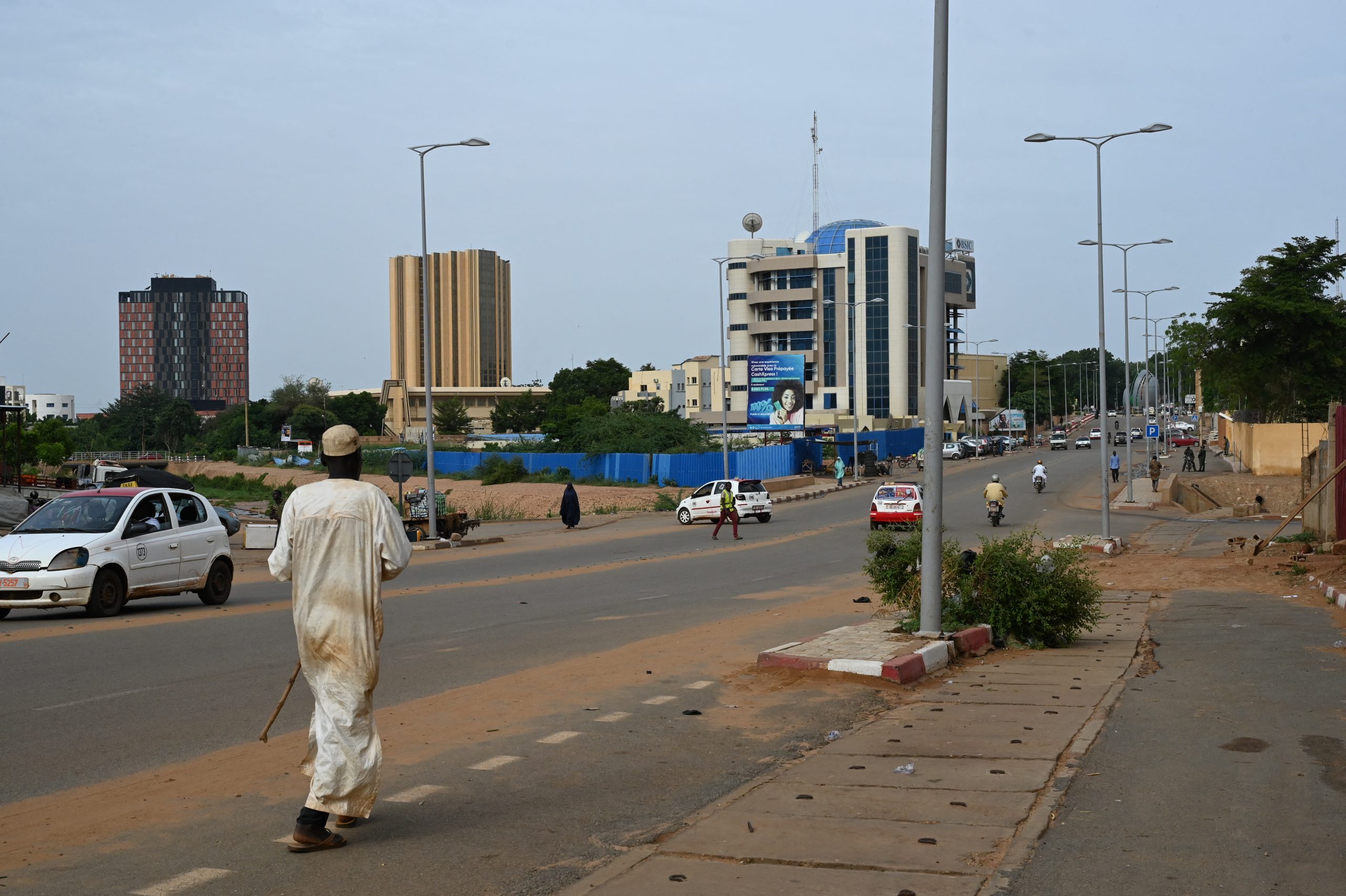
Kevin Rideout, a pilot working for the North Carolina based evangelical group Serving in Mission (SIM), was seized by three gunmen outside his home in Niamey on 21 October. He is believed to have been moved around the Liptako Gourma border zone, a volatile region shared by Niger, Mali and Burkina Faso where jihadist groups operate freely.
“We are grateful to confirm that our good friend and brother in Christ, Kevin Rideout, has been released after over nine months in captivity,” SIM said in a statement on 14 August. “Kevin is in good health in the care of US officials.”
Official details of Rideout’s release, first reported by The New York Times, remain scarce. But his freedom has been a priority for the administration of President Donald Trump, and US and Nigerien sources indicate that a joint intelligence group focused on the tri border area was set up months ago by the White House and the governments of Mali and Niger.
An unofficial visit to the region by Roger Carstens, the former presidential envoy for hostage negotiations, and J. Peter Pham, a former State Department special envoy for the Sahel, was being arranged before the breakthrough. As the joint group closed in, Rideout’s abductors began searching for a way out, according to sources familiar with the operation.
Pham credits improved coordination with the three members of the Alliance of Sahel States (AoSS) for helping secure Rideout’s release. The three countries turned to Russia for military support after coups in recent years ruptured ties with the West, but the Trump administration has chosen to engage the bloc directly rather than lecture its leaders on human rights or democracy.
In February and March, Nick Checker, a senior official at the State Department’s Africa Bureau, visited all three countries in an effort to “renew cooperation on a practical foundation and to rebuild confidence through continued dialogue and engagement,” according to a State Department readout. The talks focused on intelligence sharing and on getting US surveillance aircraft involved in the search for Rideout.
“Our AES [AoSS] security forces are doing everything possible day and night to find and free Kevin Rideout,” Mali’s ambassador to the US, Sékou Berthe, told The Africa Report in March.
Around the same time, US Africa Command (AFRICOM) deepened military cooperation with Nigeria after a dispute over killings of Christians. Nigeria permitted US surveillance flights from its bases, partly to help locate Rideout, The New York Times reported.
“Mr. Rideout is a very blessed man,” Pham told The Africa Report. “Not least because the US administration not only made freeing him a priority, but had extensive cooperation from the intelligence and security services of Mali and Niger whose leaders were being engaged rather than shunned by Washington.”
Rideout’s release marks a rare success in a region where hostage taking and jihadist violence remain rampant. The quiet diplomacy that secured his freedom may offer a template for future engagement with the Sahel’s military rulers, even as questions remain about the long term stability of the region.