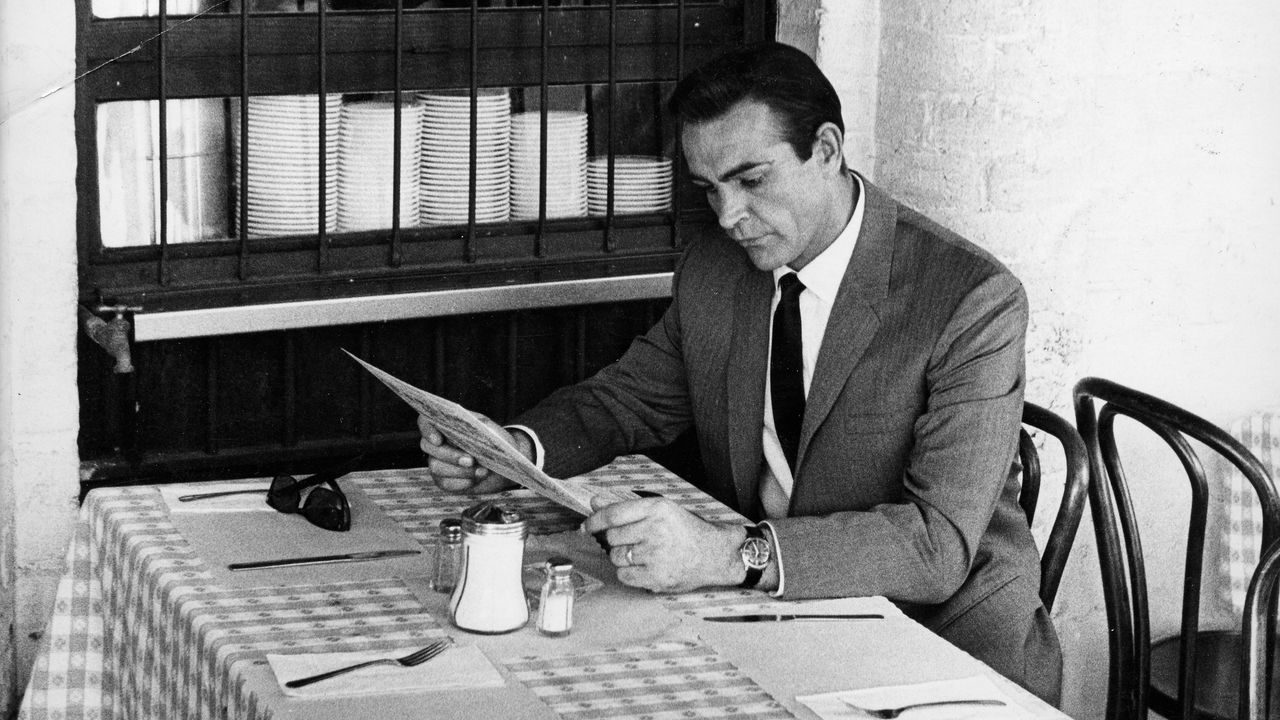
Few everyday choices carry as much cultural weight as deciding when to eat dinner. Americans typically eat early, Italians eat late, and Spaniards later still. An early dinner leaves the evening wide open, while a late one can become an event in itself. But from a health perspective, is there actually a best time?
According to Valter Longo, director of the Longevity Institute at the University of Southern California, the key is to finish your food at least three hours before you intend to sleep. If your usual bedtime is midnight, for example, that sets a 9 pm deadline for dinner.
The reason: eating too late can disrupt the circadian rhythms that regulate how your body shifts between day and night. “If you push your dinner later and later, the message to your system is [that] you should still be active,” says Longo. That could affect your sleep the same way bright light would, and it may also reduce how efficiently your body burns calories.
Dinner timing also determines the length of the overnight fast between your last meal and your first meal of the next day. Adam Collins, associate professor of nutrition at the University of Surrey, explains that this is what time-restricted eating, a form of intermittent fasting that keeps all daily meals inside a window of 12 hours or less, is all about. If you extend that overnight fast, “then you’re allowing your body to go into the more catabolic phase, where you’re shifting to oxidizing fats. You’re training the body to do what it’s designed to do: burn carbs when you’re eating carbs, and then burn fat when you’re not.” That can support weight loss and overall metabolic health.
Should the restricted window come from a later breakfast or an earlier dinner? “The consensus seems to be that you get more bang for your buck if you restrict your calories to earlier in the day,” says Collins. “That makes sense from a circadian perspective, because you’re geared up to deal with food in the early period of your active phase.”
Longo points out that the most common eating habit among centenarians is a light dinner early enough to allow 12 hours to pass before breakfast the next day. That aligns with the old saying: eat breakfast like a king, lunch like a prince, and dinner like a pauper.
Yet that advice is not always easy to follow. “It’s quite difficult to eat a big breakfast because you just haven’t got the hunger,” says Collins, partly because your body has “started to export glucose out into the blood” as you wake up, so energy levels are already high. And with many people relying on sandwiches for lunch, few of us are cooking real meals at the office. That makes it inevitable that most people consume the bulk of their calories in the evening.
Collins says that’s not a reason to panic. Eating a larger portion at night is fine as long as you give your body a “period of rest” with a low carbohydrate breakfast the next day. It’s also important to avoid sitting in front of the television with chips, chocolate, and alcohol after dinner. If an early time-restricted eating window feels unrealistic, a later one is still preferable to letting mealtimes stretch across the entire day. And for anyone who exercises during the day, especially with resistance training, a dinner rich in carbohydrates and protein can actually help muscles recover.
Ultimately, Longo says the main goal is to keep meals inside a 12 hour window and finish dinner at least three hours before bed. Altering your pattern any further is only necessary if your body isn’t responding well to your current schedule. “If you do have a bigger dinner, and you’re sleeping well, your cholesterol and blood pressure [are] fine, then you’re good,” he says. “But if you’re sleeping poorly, and you have [health] problems, maybe you should move to having a bigger breakfast, a bigger lunch and a smaller dinner, which usually seems to be the healthiest [pattern] of all.”
Ultimately, there is no universal dinner time that works for everyone. But the experts agree on the fundamentals: finish your meal early enough to allow a three hour buffer before sleep, and keep your eating within a 12 hour window. From there, listen to your body and adjust if something isn’t working.