Japanese Prime Minister Sanae Takaichi has sharply criticized Russian President Vladimir Putin for his first-ever trip to the disputed Kuril Islands, reaffirming Tokyo’s position that the territory is inherently Japanese.
In a post on X on Thursday, Takaichi said Japan had repeatedly asked the Russian side to ensure that the president does not visit the Northern Territories, a term Tokyo uses for the Kuril Islands. She described Putin’s visit as “absolutely unacceptable.”
The Kuril Islands stretch between the southern tip of Russia’s Kamchatka Peninsula and the northeastern corner of Japan’s Hokkaido. This sparsely populated, volcanic archipelago separates the Sea of Okhotsk from the Pacific Ocean. The four southernmost islands were annexed by the Soviet Union during its invasion of Japanese territory near the end of World War II.
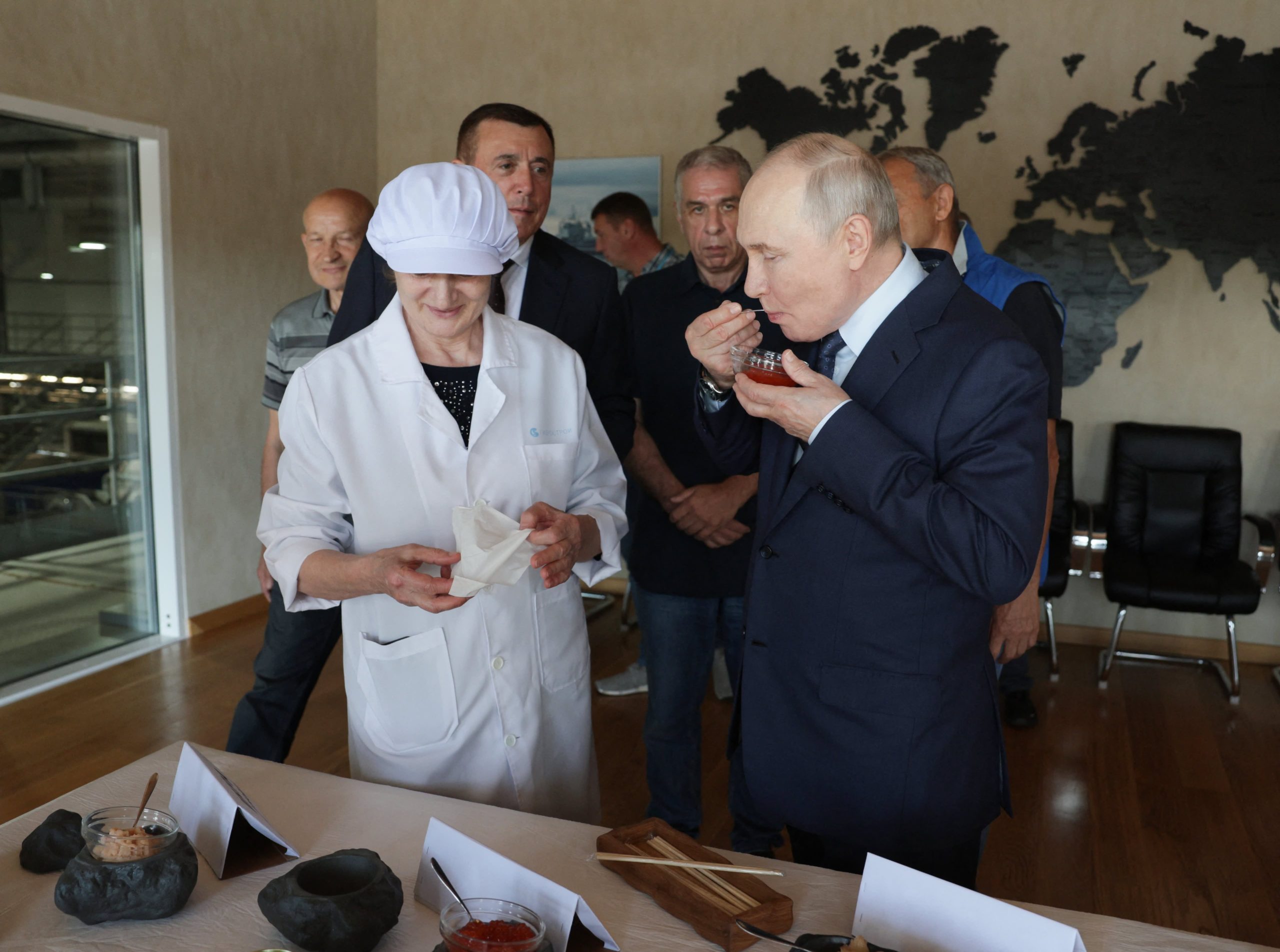
During his trip, Putin traveled to Iturup, where Russia maintains a strategically important military base. The Russian leader toured a fish processing complex, a hospital, and a school before meeting with Valery Limarenko, the regional governor of Sakhalin.
Japanese Foreign Minister Toshimitsu Motegi also voiced his disapproval, posting on Facebook that “Japan strongly protests this visit.”
Japan renounced “all right, title and claim to the Kuril Islands” in the 1951 Treaty of San Francisco, but it never recognized Soviet sovereignty over the territory. The longstanding dispute has prevented Tokyo and Moscow from signing a formal peace treaty to end their wartime hostilities, even though a 1956 joint declaration ended the state of war between the two nations.
Analysts at the Institute for the Study of War, a Washington-based think tank, suggested the visit was likely part of the Kremlin’s reaction to Japan’s latest defense white paper. They said Putin aimed to undermine Takaichi’s efforts to enhance Japan’s defense capabilities.
Japan released that defense white paper earlier this month, prompting protests from both Russia and North Korea. Putin specifically criticized the document for identifying Moscow as one of Tokyo’s critical threats.
The white paper declared that “Russia is continuing active military activities in the Northern Territories, which are inherent territories of Japan, under illegal occupation.”
The dispute remains a major obstacle in Japan-Russia relations, with no peace treaty signed since World War II and both sides continuing to assert their claims.